SNAFU might be my favorite WWII acronym. Situation Normal: All Fucked Up. It quickly became a word in the dictionary, is quite versatile, and if you say it with an emphatic “foo”, it just sounds funny. Meriam-Webster has it listed as a noun, an adjective, and a verb.
Snarky humor aside, you won’t find SNAFU used in WWII Army journals and reports. And for the most part, I hate acronyms. Yes, I said it. Hate ’em. Maybe if I’d grown up with a longer name that didn’t look like an acronym, they wouldn’t irritate me so much. Or maybe if I’d learned to type with my thumbs instead of all ten fingers on a typewriter, acronyms would compute quicker. And, yes, you read that correctly – typewriter. Or maybe if people would just say what the hell they’re talking about instead of abbreviating it, I wouldn’t twitch every time I have to ask the Google machine what random letters stuck together mean.
All that being said, WWII Army acronyms are a vocabulary in and of themselves. Some make sense, and some are still used today. During my WWII research, I couldn’t keep up with the abbreviations, acronyms, and Army slang in military documents. And don’t get me started on the lack of punctuation and incomplete sentences.
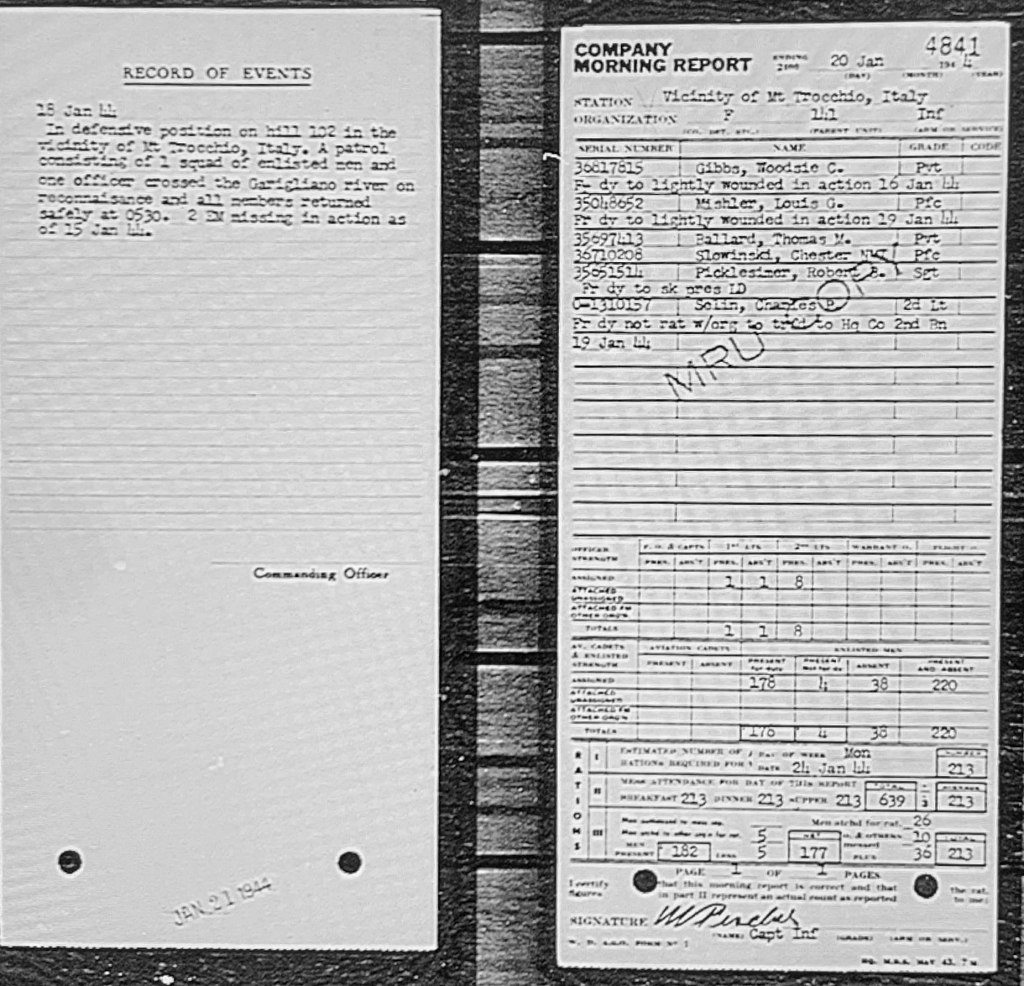
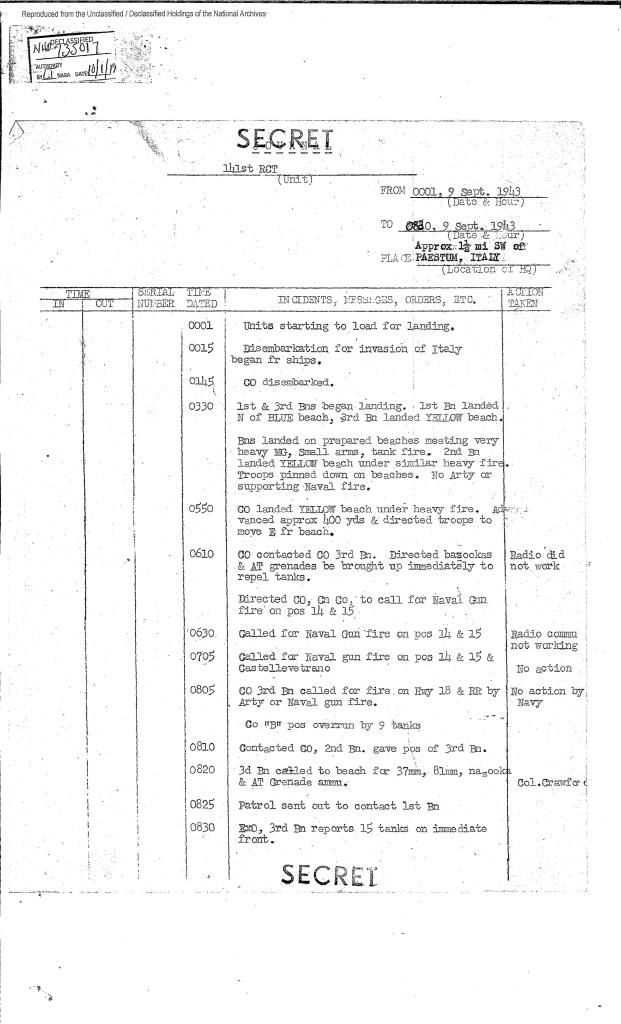
Maybe other researches don’t need as much help as I do, but I don’t think there’s enough room in my noggin to remember all these abbreviations. Here’s a glossary I compiled of acronyms and WWII Army phrases, plus a couple of examples from my research where this glossary came in handy.


Leave a Reply